18 March 2026

For the parent who feels guilt, grief, or distance

Where to begin when you didn’t get it right There comes a moment, for some parents, when something becomes clear. Not all at once. Not loudly. But quietly. A realisation. “I didn’t always know how to be there.” This can be a difficult place to stand. Because alongside that awareness

What helps a child feel safe (then and now)

Simple ways to meet emotion without overwhelm When a child feels something deeply, they are not asking for it to be fixed. They are asking to be met. Not with perfect words. Not with solutions. But with presence.   Safety, for a child, is not created by making feelings go

The child we carry through life

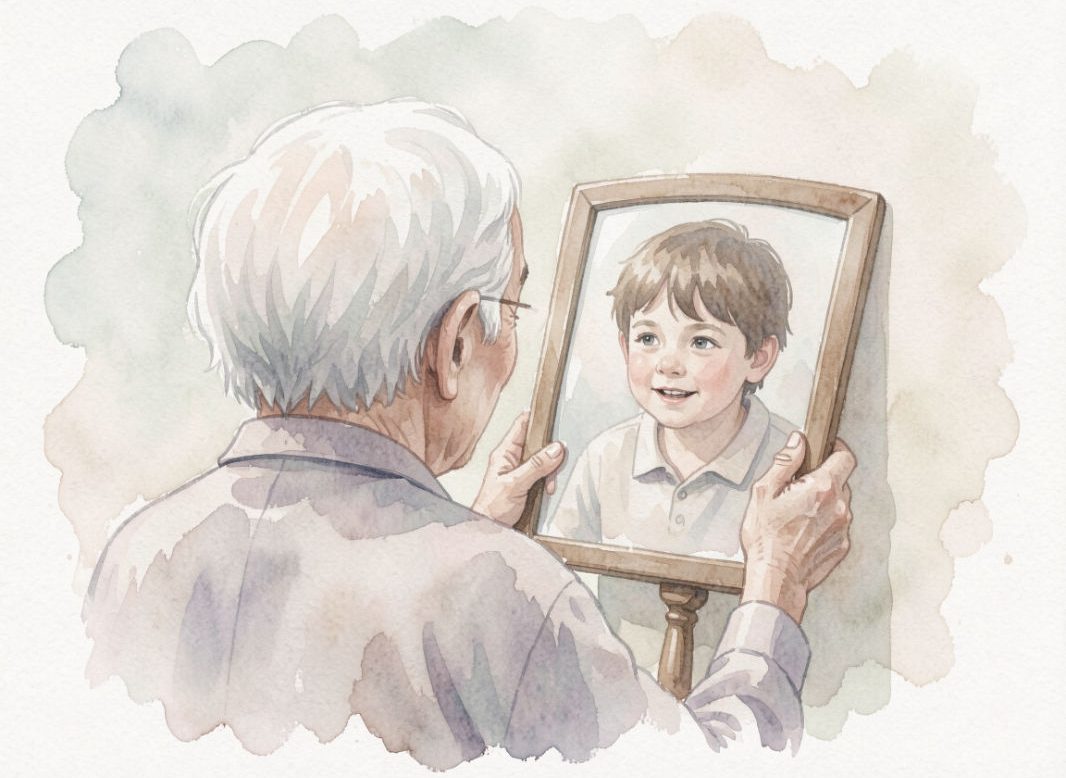
Why the past doesn’t simply disappear The child does not disappear. They grow older. But they do not grow up in the way we imagine. The part of us that learned to stay quiet…to minimise… to turn away from feeling…remains. Not loudly. Not constantly. But present. It shows up in

The beliefs children carry into adulthood

How early experiences become an inner voice Children don’t stay children. They grow. But what they learn about themselves often stays exactly as it was. A child who wasn’t heard doesn’t just forget that experience. They make sense of it. Quietly. Automatically. They begin to form beliefs. Not in words

When a parent’s own pain gets in the way

Why loving parents can still feel emotionally unavailable Most parents love their children. Deeply. And yet, there are moments when a child reaches out… and something in the parent can’t quite meet them.   Not because they don’t care. But because something inside them is already full. When a child

“Others have it worse”— the harm in comparison

Why comparing pain doesn’t build resilience It’s often said with good intentions. “Be grateful.”“It’s not that bad.”“Other children have it worse.” To an adult, this can feel like perspective. A way of helping a child see the bigger picture. A way of building resilience.   But a child doesn’t hear

When a child isn’t really heard

How silence and dismissal shape a child’s inner world Children don’t think, “My parent is overwhelmed,” or “They didn’t know what to say.” They think something much simpler. Something is wrong with me. When a child tries to share something painful — fear, sadness, anger, confusion — they are doing