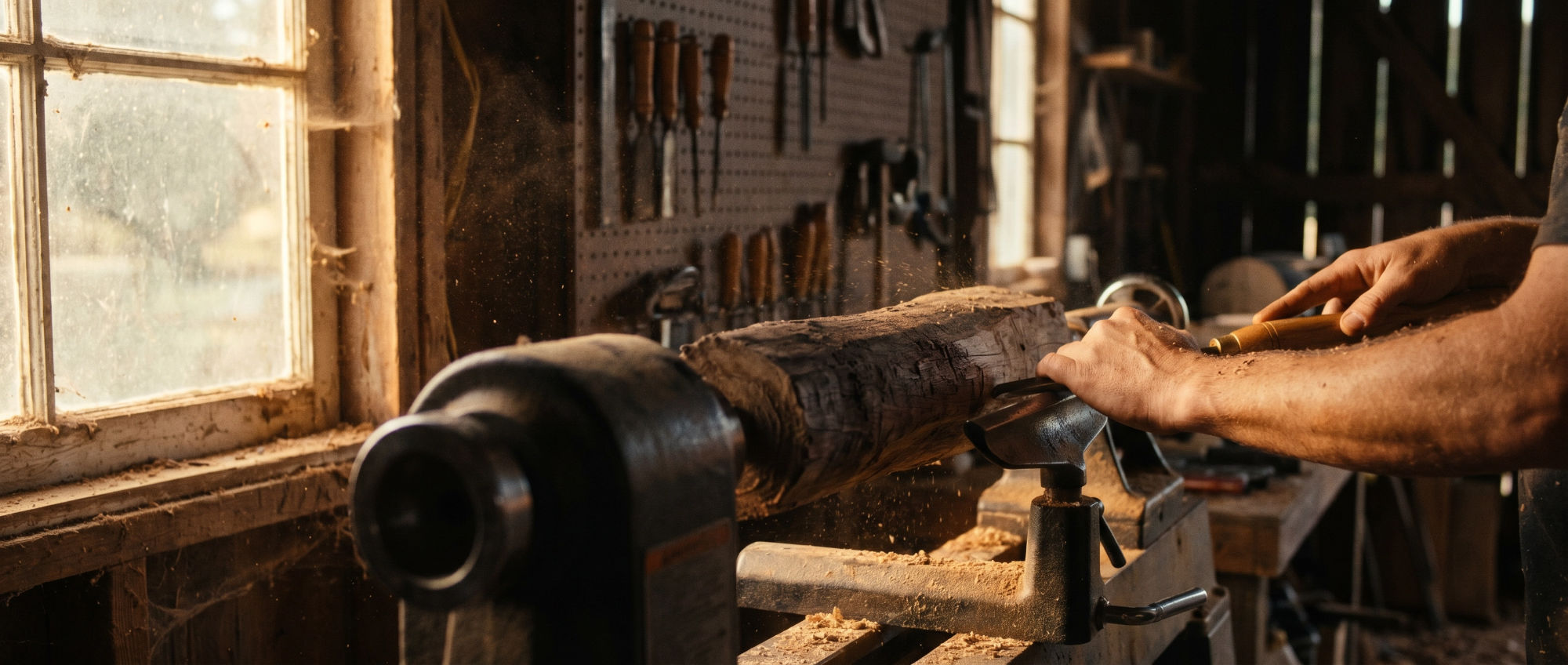
Every craftsperson starts somewhere. A few tools, a little curiosity, and the willingness to try. Over time the toolkit grows — not because someone handed it to you, but because you found what works, what fits your hand, what helps you make the thing you are trying to make. This is your workshop. These are some tools worth knowing about.
No one arrives here with a complete set. Most of us start with very little — perhaps a breathing exercise someone mentioned once, or a walk that helps more than we expected. That is enough. A toolkit is not built in a day. It is built by trying things, noticing what shifts, and coming back to what works. The tools on this page are not prescriptions. They are possibilities. Some will suit you immediately. Some will take practice before they feel natural. Some may not be for you at all — and that is fine. A good craftsperson knows which tools to reach for, and which to leave on the shelf. Start anywhere. Come back often.
The toolkit is yours to build.
What's in the Workshop?
Grounding
When anxiety pulls you into the future, or depression anchors you in the past, grounding brings you back to the present moment — to the body, the breath, the room you are in. These are some of the most immediately useful tools in the kit.
The breath is one of the few things in the body we can consciously control — and through it, we can influence the nervous system directly. Breathing techniques are not about relaxation alone. They are about regulation: learning to shift the body’s state when it’s stuck.
That voice that tells you you are not enough, that you got it wrong again, that everyone else is managing better than you — it is not the truth. It is a habit. This page explores where the inner critic comes from, and some ways to turn its volume down.
You do not need to write well. You do not need to write much. A few honest sentences at the end of the day can do more than you might expect — clarifying what is actually happening inside, and creating a small but reliable ritual of self-attention.
Comparison is one of the oldest sources of unhappiness, and social media has made it available twenty-four hours a day. This page is not about deleting your accounts. It is about understanding what is happening when scrolling starts to hurt — and finding a healthier relationship with it.
The people we surround ourselves with — in person or through what we read and watch — shape how we see ourselves and what feels possible. This page is an invitation to think carefully about who you are letting into your inner world, and why it matters.
Tension held in the head, neck and shoulders is one of the most common physical expressions of stress and anxiety. This page introduces a simple self-massage practice drawn from Indian tradition — something you can do for yourself, or offer to someone you love. Giving that kind of care is good for the soul too
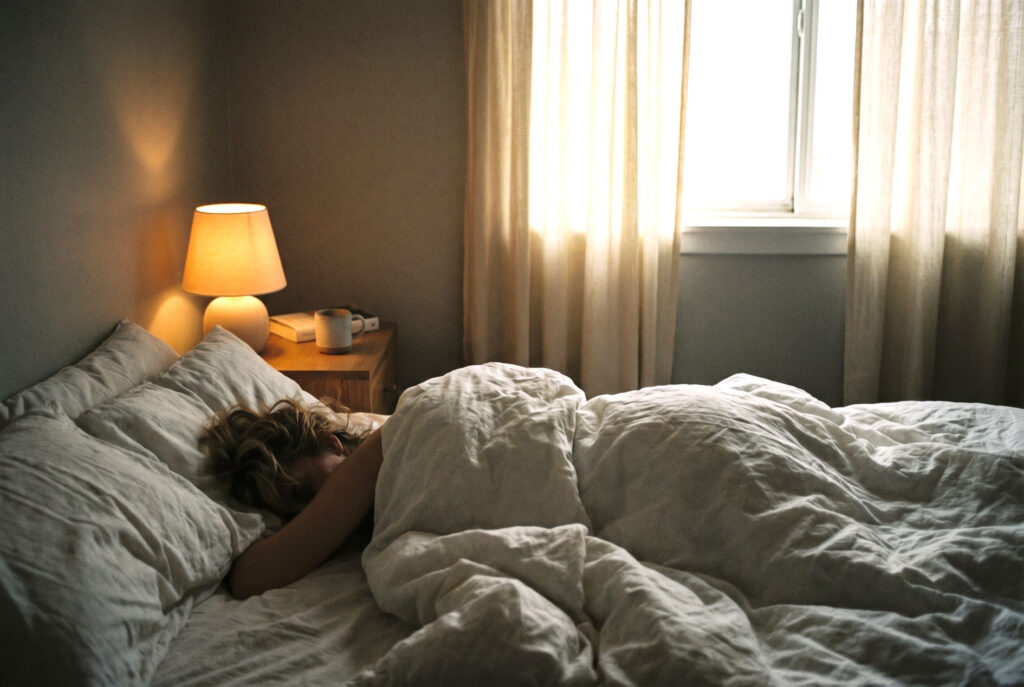
Sleep is not a passive state — it is when the brain consolidates memory, processes emotion, and repairs itself. Poor sleep and poor mental health are deeply intertwined, each making the other harder. Understanding what good sleep actually requires, and learning to protect it, is one of the most quietly powerful things in the toolkit.
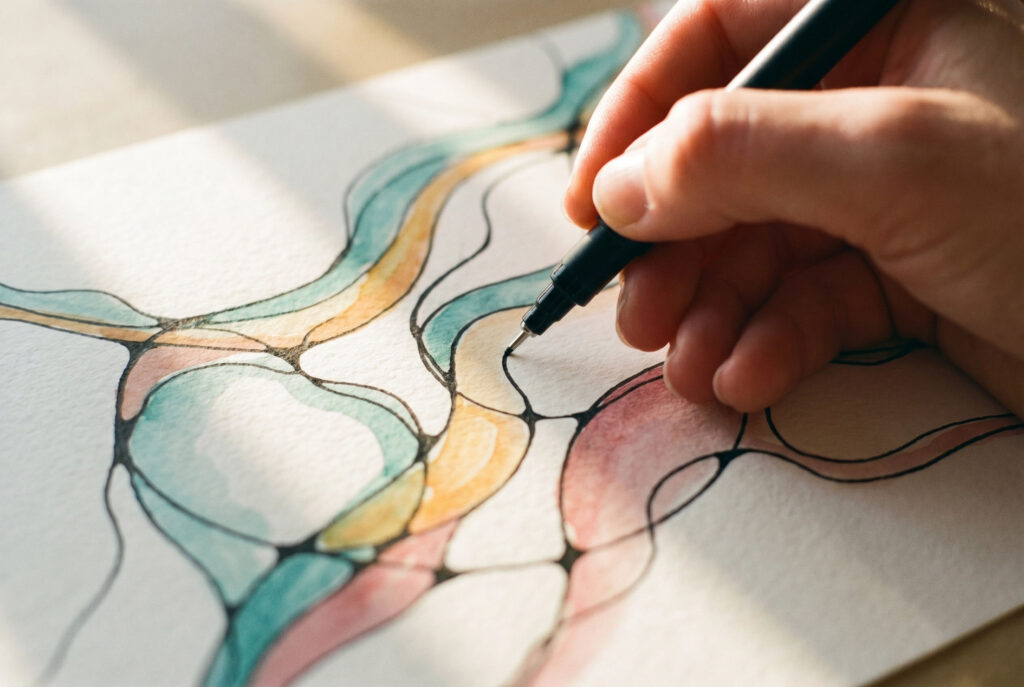
No artistic skill required. No right or wrong result. Neurographic art is a drawing practice that uses flowing lines, rounded intersections, and colour to calm the nervous system and open new ways of thinking. It is meditative, absorbing, and surprisingly effective — and all you need is a pen and paper.